Donald Trump

Alex Pretti just before he died at the hands of federal agents in Minneapolis

There was a weird controversy that set in after the events of the white nationalist Unite the Right rally in Charlottesville, VA in which a neo-Nazi 8chan bottomfeeder killed Heather Heyer by running her over with his car, while injuring 19 others. It was a shocking moment for the nation and all Trump had to say about it was they condemned violence “on many sides, on many sides” — though there were only two sides, and only one of those two sides had killed someone.

A couple of days later he managed to get through a scripted teleprompter statement explicitly condemning white supremacists and neo-Nazis only to walk it back again and then double down on it the following day, saying “The statement I made on Saturday, the first statement, was a fine statement… What I’m saying is this: You had a group on one side and you had a group on the other, and they came at each other with clubsβ€”and it was vicious and it was horrible. You had some very bad people in that group, but you also had people that were very fine people, on both sides.”

First of all, both sides did not have clubs. One side had tiki torches and a car that killed someone while the other side was armed with hymnals and homemade signage. Secondly — where were those “other” fine people? The vagueness allows for almost any interpretation — were some of the people with clubs “very fine” despite beating others about the head? Were some of the people who didn’t have clubs themselves but were cheering on the people with clubs “fine people”? Maybe there was a gathering of small invisible fairies merely caught up in the shuffle and Trump wanted to just make sure that possibility didn’t get overlooked and this innocent group of delicate souls unnecessarily besmirched?

The primary chosen “debunk” that detractors ended up going with from the wet clay of Trump’s stilted statement alleges that the *other* side Trump meant by “both” were simply innocent local townsfolk objecting to the removal of a statue of their beloved hero Robert E. Lee. Besides the fact that the right-wing has failed to this day to produce a shred of evidence that such people were even there, and the inconvenient reality that the rally was openly marketed as a white supremacist event, organized by avowed white nationalist organizations, it doesn’t even matter if they could produce such evidence — because those people are still not very fine! Robert E. Lee was a traitor to the United States and exalting him is not good!

In fact, Robert E. Lee was a terrible human being whose noble cause was maintaining his ownership of other human beings — as well as a shitty general who paid zero attention to the battle after giving a set of static orders and hoping God would sort out the rest. All he had to do was defend the borders of his baby white homeland, but he was an arrogant showboat who couldn’t keep it in his pants and had to go attacking Pennsylvania for no good reason.

He was also a senseless butcher who had the highest casualty rate of the entire war, being so reckless with his soldiers’ lives that he may as well have fed them into a woodchipper. He chewed through his entire army of 100,000 only 14 months into the campaign and by the war’s end had effectively annihilated his original army multiple times over through cumulative losses, as well as obliterating a whopping 30% of the total Confederate forces overall despite leading only one army in one theater.

He was overconfident and mean-spirited like the rest of his Confederate compadres, feeling that his natural superiority would win the day without much effort. He was trounced and the moral bankruptcy of the Confederacy defeated, but to this day the spirit of the “Lost Cause” animates an unholy miasma of sadistic trolls, anti-government whackjobs (who nevertheless guzzle Trump’s emissions), and stone cold psychopaths who feel the “Cause” — aka white supremacy — is still worth fighting for.

The Confederacy lost. But the ideology β€” the conviction that some people are simply born to rule over others, that cruelty is strength, that losing doesn’t mean you were wrong β€” has never died. It just went underground, waiting, simmering. And in Charlottesville, it walked openly in the streets again — wearing khakis and carrying torches, feeling emboldened enough to show its face.

This movement of treasonous trolls had to lick its wounds and bide(n) its time between 2021 and 2025, but true to his word (for once), when Senile Orange Grandpa conned enough noobs to retake the White House in 2024, he pardoned all the January 6 rioters on day one. Including, of course, hundreds of avowed white nationalists from groups he had claimed — fleetingly — to disavow. Including their leaders, among the rare breed of individuals who have ever been convicted of seditious conspiracy in the history of this country, each serving up to 20-year sentences. And including violent thugs who beat Capitol police officers with bats, flagpoles, their own stolen shields, and numerous blunt objects on hand.

People who maced, pepper sprayed, bear sprayed, and electrocuted law enforcement with their own tasers. Folks who committed the obvious crime, broadcast live to the whole world, of breaking and entering at multiple entry points, including overwhelming a line of officers with a physical siege — then rampaged through the halls of Congress defiling, destroying, and stealing irreplaceable historical objects and defecating on lawmakers’ desks. And after all this, they fled the scene and hid from law enforcement — despite having collectively livestreamed the entiretiy of it and posting thousands of “trophy shots” on social media themselves, on top of being filmed by TV cameras from news organizations around the globe.

Then they lied about it. They continue to lie about it. President Trump continues to lie about it. The Republican Party continues to lie about it. A day which resulted in the deaths of 5 law enforcement officers and injuries to 150 more members of the “blue line.”

And yet.

We are to believe.

That Alex Pretti deserved to die because law enforcement found him “threatening.”

While standing at the side of the road, with a hand waved in a gesture of surrender, and looking away from the scene over his shoulder out of concern for an individual in distress.

No. We call bullshit. We know these ghost skins have no trouble killing one of their own from the killing of Renee Good, regardless of whatever Great Replacement idiocracy they espouse about the white race — if you get in their way, killing you is perhaps the one unbiased act they will perform free of bigotry to anyone who disagrees with them. Because if they happen to possess an ounce of shame, they never let a molecule of it leak out in public.

People with no shame may skirt the technical bounds of the law at times in order to prolong their abuse of the system, but completely disrespecting the spirit of the law inevitably leads them to break it. If they get away with it, they do it more. If they get caught, they double down. Blame the victim. Blame the media. Blame Biden. Blame Obama. Blame Clinton. Assert absurd moral authority based on a trash heap ideology that shifts like a toxic oil spill and makes no sense. State that plainly true facts are wrong and obviously thin lies are inarguable truths. Behave like the most morally depraved psychopaths online and in public, exalting violence and relishing petty revenge, smearing the names of random bystanders they shot in the street mere minutes ago, and generally treating human life as political toys for them to play with, or a casual game of Call of Duty IRL — all in the name of Jesus.

It is vile. It is a blackened pile of steaming horseshit smeared across the nation. It is a moral stain being done in our name that we will never, ever, ever, ever in the history of history live down — that this is happening here. That we allowed this to happen here. That we are allowing this to happen here. We must not allow this to happen here.

Read more

Kristie Noem in her ICE Barbie cosplay outfit, between 2 thugs, saying "The only thing I regret is not being there to shoot the bitch myself"

The shooting in Minneapolis last week of Renee Good, a 37-year-old wife and mom to 3 kids, hit me really hard. It’s not just that she was in a lesbian couple like me, with kids from previous husbands — and that I would be the one in the passenger’s seat. It’s because of the brazenness — pride, even — of the officer who ended her life cavalierly and without remorse.

The smear campaign about this woman nauseates me deeply — it began mere milliseconds after her death when the officer who shot her at point-blank range yelled “fuckin’ bitch!” after her vehicle and escalated extremely quickly to the sitting President, Vice President, and Homeland Security Secretary calling her a “domestic terrorist” despite the physical impossibility of being able to confirm that kind of information so quickly.

It is clear that agent Jonathan Ross escalated the situation himself. He broke DHS policy by putting himself in the path of a moving vehicle. And he should not have had his cellphone out, occupying his other hand, when he drew his weapon — you need the hands to be unobstructed to maximize your ability to handle any situation that may emerge.

He claimed he was afraid for his life — when? Show me on tape at which moment(s) in time this agent appears to behave an a fearful manner, because I do not see it. There are the moments when he’s calmly walking around the entire vehicle recording on his cellphone, moments when he has calmly drawn his gun and is pointing it at Renee Good, and moments where he is shouting and shooting bullets into her head. Where is the fear? He doesn’t run or dive; he doesn’t scream; he doesn’t call for help; he doesn’t show any surprise. He doesn’t seem fearful — he seems in control of the situation at all times, including when he pulls the trigger 3 times to take someone’s life as punishment for being cheeky.

Continue reading The killing of Renee Good
Read more

Jack Smith, Special Prosecutor in two federal cases brought against Donald Trump

Five years ago today, a violent mob stormed the United States Capitol in an attempt to overturn a free and fair election. The man who incited them has since been re-elected president, which scuppered the investigation into him by Special Counsel Jack Smith. If that whiplash isn’t enough to give you vertigo, consider this: we now have sworn testimony, under oath, from the prosecutor who investigated Trump laying out exactly why his office believed they could convictβ€”and why they were stopped.

Former Special Counsel Jack Smith’s December testimony before the House Judiciary Committee is the closest thing we’ll get to the trial that should have happened. In it, Smith methodically dismantles every defense Trump and his allies have offered, explains how the case was built on testimony from Republicans willing to put country over party, and makes clear that the evidence of Trump’s guilt wasn’t circumstantialβ€”it was direct.

In this post, I’m breaking down the key takeaways from Smith’s testimony, sharing one of my AI #MiniHistory videos marking the anniversary, and giving you a way to interrogate the evidence yourself through an interactive NotebookLM bot. Because if there’s one thing the incoming administration is counting on, it’s that you won’t have time to read 255 pages of testimony. Let’s make sure they’re wrong.

January 6 in 40 seconds

But first, a J6 refresher course — again, for busy folks.

I’ve been into making these little AI #MiniHistory videos with Glif agents, trying to tease out important signposts along our road to dictatorship and other interesting moments in history to highlight. Here’s the one I did for today and the 5th anniversary of January 6, 2021:

Trump has still never been held accountable for his actions that day — the election of 2024 put a boot in the face of any hope for justice prevailing against the Chief Insurrectionist. Nevertheless, Jack Smith replanted a tendril of hope in his mid-December testimony to Congress with a scathingly clear broken record message that Trump was guilty and they had all the receipts they needed to prove it and then some. It lays down new tracks in the Congressional record that will be impossible to expunge, regardless of whatever trash MAGA fairy tale of J6 the right-wing goons decide to slather on the White House website.

Jack Smith testifies to Trump’s guilt “beyond a reasonable doubt”

In eight hours of testimony before the House Judiciary Committee on December 17, 2025, former Special Counsel Jack Smith laid out why his office was prepared to convict Donald Trump on federal charges. Speaking under oath in a closed-door deposition β€” the Republicans who now hold the gavel had denied his request to testify publicly (after crying decades of crocodile tears over ‘transparency’?? truly?) β€”Smith called Trump “the most culpable and most responsible person” in the criminal conspiracy to overturn the 2020 election.

Continue reading Remembering January 6: Here’s how Jack Smith saw it
Read more

Liberal Tears illustrates the sneering cynicism of the right wing who refuse to articulate political values

There’s something conspicuously absent from American political discourse: actual discussion of values and the morals, ethical choices, and beliefs that go into the creation of good government policy.

Think about the last major political debate you watched, or the last campaign ad that stuck with you. How much of it was about what government should do versus who you should hate? How much was articulating a vision for society versus performing dominance over the out-group?

This isn’t an accident. It’s a strategy.

When your policy positions are wildly unpopular β€” when majorities oppose you on healthcare, taxation, abortion, climate change, guns, and wages β€” you don’t engage on the substance. You change the subject. You make politics about identity, grievance, and tribal belonging. You turn every election into a referendum on vibes rather than vision.

The American right has become extraordinarily sophisticated at this evasion. They’ve built an entire media ecosystem designed not to argue for right-wing values, but to ensure those values never have to be argued for at all. And the Trump administration is chock full of people from that media ecosystem.

The Polling Problem

Here’s the uncomfortable reality the modern right has to navigate, and we need to trumpet: their actual policy preferences are not popular.

Exposed to the individual provisions of the Affordable Care Act, majorities supported them β€” even among Republicans. Majorities support raising taxes on the wealthy, protecting Social Security and Medicare, acting on climate change, keeping abortion legal in most cases, and implementing universal background checks for gun purchases. On issue after issue, when you strip away the partisan framing and ask people what they actually want government to do, the “conservative” position loses.

This creates a strategic problem. You can’t win elections by articulating positions most people reject. So you articulate… something else.

The Retreat from Argument

Meanwhile, the right-wing has indefensible values, which is why they no longer even bother to try to articulate them. Instead, they express them obliquely through “memes” and mores that evince cruelty, bigotry, narcissism, domination, supremacy, greed, selfishness, and contempt for vulnerability β€” all while maintaining plausible deniability through irony, “just asking questions,” and the ever-ready accusation that anyone who names the pattern is being hysterical or unfair.

This is the function of the perpetual rhetorical shell game: you can’t pin down a position that’s never stated plainly. The cruelty gets expressed through policy and aesthetic, but when challenged, retreats behind procedural objections or “economic anxiety.” The bigotry shows up in who gets mocked and who gets protected, but is never admitted as such β€” it’s always reframed as “common sense” or “tradition.”

Continue reading The Quiet Part Loud: Why the right stopped talking about values
Read more

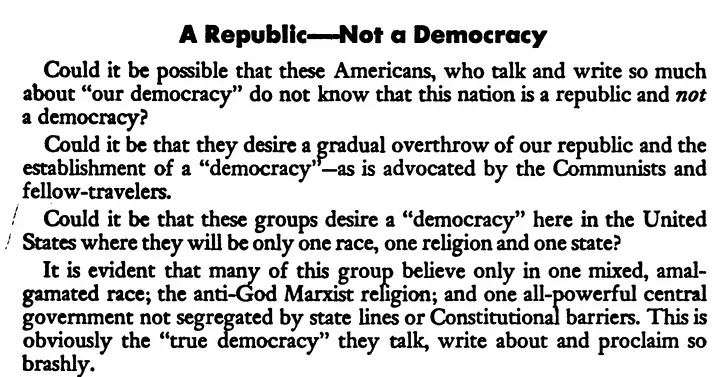
You’ll hear a common retort on the extreme right that now holds sway in the mainstream Republican Party, in response to protests about the dismantling of democracy in this country — that we’re “a republic, not a democracy.” Right off the bat, a republic is a form of democracy — so they are claiming something akin to having a Toyota and not a car. It’s a rhetorical trick, in which people who fully know better are hacking the simple ignorance of civics and basic political philosophy of the right-wing political base.

But it manages to get worse — the origins of the bully taunt “a republic, not a democracy” go way back — they’re actually located in the segregationist movement. Specifically, the concept comes from the pro-segregation book You and Segregation, written in 1955 by future Senator Herman E. Talmadge.

John Birch Society loonies laud “a republic, not a democracy”

The “republic, not a democracy” meme would go on to be featured in the John Birch Society Blue Book — an organization so toxically extremist that even conservative darling William F. Buckley distanced himself from them. They feared the idea that increasing democratization would be a shifting balance of power away from white conservative men, and they spun numerous conspiracy theories to explain this as the result of nefarious undercover plot to overthrow Western Civilization.

In reality, the trend towards greater democracy is something the Founders themselves envisioned — though they likely could not have imagined how it would turn out. They believed fiercely in self-governance, and a clear separation from the tyranny of kings.

Continue reading “A republic, not a democracy” came from segregationists
Read more

Peter Thiel sits in a far future, under an all-watchful digital eye

Peter Thiel FAQ: The Contradictions of Silicon Valley’s Dark Philosopher

Peter Thiel occupies a rarefied place in the modern pantheon of tech billionaires β€” less the tinkerer or engineer than the theorist-king of the movement. A venture capitalist, PayPal co-founder, Facebook’s first major outside investor, and the billionaire backer of numerous reactionary causes, Thiel has built a career at the intersection of money, ideology, and myth. He is the financier of futuristic dreams β€” and dystopian nightmares.

Born in Frankfurt and raised in California, Thiel studied philosophy at Stanford, where he was captivated by the writings of Leo Strauss and RenΓ© Girard. These thinkers β€” one obsessed with the hidden logic of political elites, the other with the contagious nature of human desire β€” shaped Thiel’s enduring worldview: that civilization is locked in cycles of envy and collapse, and only an enlightened few can see beyond the herd. In this sense, Thiel has always seen himself less as a businessman and more as a philosopher of power.

His ventures, from PayPal to Palantir, form a kind of metaphysical architecture of control. PayPal, the proto-financial infrastructure of the internet, made Thiel his fortune. Palantir, as explored deeper in What Is Palantir?, has monetized the surveillance state. In between, Thiel cultivated a cadre of disciples β€” the so-called PayPal Mafia β€” that went on to dominate Silicon Valley. His investments in companies like Facebook gave him not only wealth but leverage: a front-row seat in the grand experiment of data-driven social engineering.

Peter Thiel at an imaginary round table of Peter Thiels

But Thiel’s influence extends far beyond technology. He bankrolls candidates, think tanks, and movements aimed at reshaping our very democracy itself. In Peter Thiel and the Antichrist, I explored how Thiel’s quasi-religious futurism blends techno-eschatology with authoritarian politics β€” a longing for an end-times β€œreset” that he sees as necessary for renewal. His protΓ©gΓ©s, like Palmer Luckey and J.D. Vance, carry forward the same paradoxical ethos: rebellion against democracy in the name of β€œfreedom.” As I argued in Palmer Luckey, Peter Thiel, and the Welfare Queens of Defense, his ventures often feed off the very government systems they publicly scorn.

Continue reading Peter Thiel FAQ
Read more

The Rise and Fall (and Rise?) of Gazprom: What the World’s Biggest Gas Company Teaches Us About Power, Monopolies, and Strategic Failure

How a $360 Billion Giant Lost 90% of Its Valueβ€”and What It Reveals About State Capitalism

In 2008, Gazprom was worth more than $360 billion, making it the third most valuable company on Earth. It was Russia‘s energy monopoly and largest gas company, and one of the largest companies in the world. Today? It’s worth $34 billionβ€”a staggering 90% collapse that tells one of the most fascinating stories in modern business history.

This isn’t just a tale about natural gas and pipelines. It’s a masterclass in how monopoly power, geopolitical weaponization, and strategic overconfidence can destroy even the most seemingly invincible empires. And in an era where AI, tech platforms, and energy systems are being disrupted faster than ever, the lessons from Gazprom’s trajectory are surprisingly relevant.

Let us take you inside the story of Russia’s energy leviathanβ€”and what its dramatic arc teaches us about power, strategy, and the dangerous illusion of permanence.

The Ultimate State-Owned Monopoly

First, let’s grasp the sheer scale we’re talking about:

  • 17% of the world’s proven natural gas reserves
  • 180,600 kilometers of pipelines (the world’s largest network)
  • Production of 414-500 billion cubic meters annually
  • Operations in 20+ countries, supplying 100+ nations

Gazprom didn’t just dominate Russia’s energy sectorβ€”it WAS Russia’s energy sector. Born from the Soviet Ministry of Gas Industry in 1989, it became the first state-run private enterprise in Soviet history, even before corporate laws existed in the USSR. That’s how strategically vital it was.

The Russian government maintains 50%+ control through various entities, making Gazprom the textbook example of a “state champion”β€”a privately structured company that serves as an extension of national power.

Energy as Geopolitical Weapon: The Gazprom Playbook

Here’s where things get interesting from a strategy perspective.

Gazprom wasn’t just selling gasβ€”it was wielding it. The company’s toolkit included:

1. Strategic Supply Disruptions
Cut off countries that didn’t play ball politically. Ukraine, Belarus, and others experienced “technical problems” with their gas supply that mysteriously coincided with diplomatic disagreements.

2. Pricing Manipulation
Friends got sweetheart deals. Adversaries paid premium rates. Simple, effective, brutal.

3. Infrastructure Control
Build the pipelines, control the flow. Europe became dependent on a single supplier for 40% of its natural gas by 2021.

This is the “monopoly network effects” mental model taken to its extreme: Once you control the physical infrastructure, you don’t just have market powerβ€”you have geopolitical leverage that can shape foreign policy across an entire continent.

The Nord Stream Strategy

The Nord Stream pipelines perfectly embodied this approach. By routing gas directly to Germany via the Baltic Sea, Gazprom could:

  • Bypass unreliable transit countries (Ukraine)
  • Lock in Germany as a dependent customer
  • Divide European unity on Russia policy

It was strategic brilliance… until it wasn’t.

The Fatal Flaw: Mistaking Leverage for Invincibility

Charlie Munger often warned about “incentive-caused biasβ€”the tendency to believe your own narrative when you’re winning. Gazprom fell into this trap spectacularly.

The company’s leadership made several critical miscalculations:

1. Weaponizing Your Product Destroys Trust

Using energy as a political weapon worked… until customers decided they’d rather pay more than remain vulnerable. After Russia’s 2022 invasion of Ukraine, Europe went into overdrive finding alternatives.

Result: Gazprom’s European market share collapsed from 40% to 8% in just one year (2022-2023).

2. Infrastructure Becomes a Liability

That vaunted 180,600 km pipeline network? Much of it now represents stranded assets. You can’t exactly redirect physical pipelines when your largest customers ghost you.

Meanwhile, competitors with LNG terminals can ship to whoever’s buying. Flexibility > fixed infrastructure when geopolitics get messy.

3. The “Too Big to Fail” Illusion

Gazprom assumed its monopoly position was permanent. Major gas fields hit production peaks. Investment in new fields (requiring $50+ billion for Yamal or Shtokman development) was delayed. Technology partnerships with Western firms provided crucial expertise.

When sanctions hit, the company faced:

  • Asset freezes
  • Technology transfer restrictions
  • SWIFT banking isolation
  • Loss of Western expertise and financing

Suddenly, “too big to fail” looked a lot like “too rigid to adapt.”

The Pivot to Asia: Too Little, Too Late?

Facing European abandonment, Gazprom is desperately pivoting eastward:

  • Power of Siberia 1: Operational pipeline to China (38 bcm capacity)
  • Power of Siberia 2: Planned pipeline through Mongolia (50 bcm capacity)
  • Expanded LNG operations: Playing catch-up in a market they largely ignored

But here’s the problem: China knows Gazprom is desperate. Beijing isn’t paying European prices. They’re negotiating from strength while Gazprom negotiates from necessity.

This illustrates the “alternative available” principleβ€”your leverage is only as strong as your customer’s next-best option. Europe had alternatives (LNG from US, Qatar, etc.). Russia? Not so much for customers.

From Profit to Loss to Profit Again: The Volatility of State Champions

The financial swings tell the story:

  • 2021: Record profit of 2.68 trillion rubles (during European energy crisis)
  • 2023: First loss since 1999β€”629 billion rubles
  • 2024: Back to profitβ€”1.2 trillion rubles

This wild volatility reflects a fundamental truth: When your company serves political objectives first and commercial objectives second, financial performance becomes subservient to state goals. Sometimes that works (2021 energy crisis). Often it doesn’t (sanctions, market loss).

Strategic Lessons for the AI Era

So what can we extract from Gazprom’s saga that applies to today’s rapidly evolving landscape?

1. Network Effects Work Until They Don’t

Gazprom’s pipeline monopoly seemed unassailableβ€”until geopolitical shifts made customers willing to pay the switching costs.

AI Parallel: Today’s AI models and platforms building “moats” through data, compute, or user lock-in should remember that trust, reliability, and user sovereignty matter. Abuse your position, and users will fund alternatives.

2. Geopolitical Risk Is Business Risk

Gazprom learned this the hard way. Over-optimizing for one strategic relationship (Europe) without diversification created catastrophic vulnerability.

Content Creator Parallel: Platform dependency is the same risk. Building your entire business on YouTube, or Instagram, or any single platform means you’re one algorithm change or TOS update away from collapse. Diversification isn’t optional.

3. Asset-Heavy Models Lose Flexibility

Physical infrastructure becomes a liability in fast-changing environments. LNG companies with flexible shipping could adapt; Gazprom with fixed pipelines couldn’t.

Digital Business Parallel: Heavy CapEx models and legacy infrastructure become anchors. The future belongs to modular, composable, rapidly adaptable systemsβ€”whether that’s in content creation, AI deployment, or business operations.

4. The Innovator’s Dilemma Applies to Nations Too

Gazprom focused on protecting its existing business model (pipeline gas) rather than aggressively pursuing LNG and diversified markets. Classic Innovator’s Dilemma.

When you’re dominant, investing in what might disrupt you feels unnecessary… until it’s too late.

The Future: A Giant at a Crossroads

Gazprom in 2025 faces questions that will determine Russia’s economic future:

  • Can they truly pivot from European to Asian markets?
  • Will their aging infrastructure support next-generation needs?
  • Can they adapt to climate pressures and carbon transition demands?
  • How do they compete without Western technology and financing?

The company’s 2024 return to profitability might suggest resilience. But structural challenges remain: aging fields, massive investment requirements, geopolitical isolation, and customers who’ve learned not to trust a monopoly supplier.

Final Thoughts: The Illusion of Permanence

Gazprom’s story reminds us that nothing is permanentβ€”not monopolies, not market dominance, not even control over critical resources.

The company went from seemingly invincible to struggling for survival in less than three years. That’s faster than most product cycles in tech. It’s a humbling reminder that in an interconnected, rapidly changing world, strategic rigidity is fatal.

For anyone building in digital media, content creation, or AI-driven businesses today, the lessons are clear:

βœ… Diversify your dependencies
βœ… Trust and reputation are assets, not tactics
βœ… Flexibility beats fixed infrastructure
βœ… Geopolitical and platform risks are real business risks
βœ… Never mistake current dominance for permanent advantage

The same forces disrupting Gazpromβ€”technological change, strategic competition, trust erosion, and rapid market shiftsβ€”are reshaping every industry. The question isn’t whether disruption will come. It’s whether you’ll see it coming and adapt fast enough.

In the age of AI and digital transformation, being the biggest doesn’t guarantee survival. Being the most adaptable just might.

 

Read more

US Republican Senators cavorting with military personnel, drinking and laughing and celebrating the orgy of money they are rolling in

The GOP just passed their budget reconciliation bill for FY2026 — a squeaker, but over the line and now signed into law. Looking at this staggering compilation of budget line items, we’re witnessing what can only be described as the construction of an unprecedented domestic security apparatus that should alarm anyone who values civil liberties and fiscal responsibility. What’s in the Republican spending bill? A massive financial allocation to create a new branch of the military — essentially a militarized standing army of the type the Founders feared most deeply (for example Hamilton, in Federalist No. 29).

This Republican budget bill represents a breathtaking $300+ billion commitment to militarizing America’s borders and expanding the surveillance state under the guise of “national security.” The numbers tell a chilling story: nearly $57 billion for border walls and barriers, $45 billion for immigrant detention facilities that will rival the size of the entire prison system, and almost $30 billion to supercharge ICE into a paramilitary force with expanded powers to raid communities nationwide.

What we’re seeing here isn’t border securityβ€”it’s the systematic transformation of immigration enforcement into a militarized occupation force. The bill allocates billions for “family detention centers” (a euphemism for camps where children will be imprisoned), grants to states for building more walls, and funding for “relocation of unlawfully present aliens” that sounds disturbingly like it will require the use of violent force.

Perhaps most troubling is how this massive expansion of domestic enforcement capabilities comes wrapped in the flag of military spending. Hundreds of billions flow to weapons manufacturers and defense contractors while basic human services are starved of funding. The message is clear: this administration views immigrants not as people seeking opportunity, but as enemy combatants requiring a military response.

The infrastructure being built hereβ€”the surveillance technology, detention facilities, militarized personnel, and coordination between local and federal enforcementβ€”creates the scaffolding for authoritarianism that could easily be turned against any group deemed “undesirable” by future administrations. Once you’ve normalized this level of militarized domestic enforcement, the definition of who deserves to be targeted has a way of expanding.

This isn’t about border securityβ€”it’s about power, control, and the profits that flow to contractors building America’s emerging police state.

Here is a comprehensive list of all the line items in the bill that add budget to law enforcement, border protection, national security, or military-related functions or agencies, ranked by size descending, drawing directly from the text of the bill:

  • $46,550,000,000 appropriated to the Commissioner of U.S. Customs and Border Protection for the Border Infrastructure and Wall System, including construction, installation, or improvement of new or replacement primary, waterborne, and secondary barriers; access roads; barrier system attributes (cameras, lights, sensors, detection technology); and any work necessary to prepare the ground at or near the border to allow U.S. Customs and Border Protection to conduct its operations.
  • $45,000,000,000 appropriated to U.S. Immigration and Customs Enforcement for single adult alien detention capacity and family residential center capacity. A “family residential center” is defined as a facility used by the Department of Homeland Security to detain alien family units, including children who are not unaccompanied, encountered or apprehended by the Department.
  • $29,850,000,000 appropriated to the Secretary of Homeland Security for U.S. Immigration and Customs Enforcement for fiscal year 2025, to remain available through September 30, 2029. These funds are designated for: hiring and training additional ICE personnel (officers, agents, investigators, and support staff), prioritizing and streamlining the hiring of retired ICE personnel; providing performance, retention, and signing bonuses to qualified ICE personnel; facilitating recruitment, hiring, and onboarding of additional ICE personnel (including investing in IT, recruitment, and marketing); transportation costs and related costs for alien departure or removal operations; information technology investments to support enforcement and removal operations (including fee collections); facility upgrades to support enforcement and removal operations; fleet modernization to support enforcement and removal operations; promoting family unity by maintaining care and custody of aliens charged only with a misdemeanor offense who entered with their child under 18 and detaining such an alien with their child; expanding, facilitating, and implementing 287(g) agreements; hiring and training additional staff for the Victims of Immigration Crime Engagement Office and providing nonfinancial assistance to victims of crimes perpetrated by unauthorized aliens; and hiring additional attorneys and support staff within the Office of the Principal Legal Advisor to represent DHS in immigration enforcement and removal proceedings.
  • $10,000,000,000 appropriated to the Department of Homeland Security for the State Border Security Reinforcement Fund. These funds are for grants to eligible States and units of local government for purposes including: construction or installation of a border wall, border fencing, other barriers, or buoys along the southern border of the United States (including planning, procurement of materials, and personnel costs); any work necessary to prepare the ground at or near land borders to allow construction and maintenance of a border wall or other barrier fencing; detection and interdiction of illicit substances and aliens who have unlawfully entered the United States and committed a crime, and their transfer or referral to DHS; and relocation of unlawfully present aliens from small population centers to other domestic locations.
  • $10,000,000,000 appropriated to the Secretary of Homeland Security for reimbursement of costs incurred in undertaking activities in support of the Department of Homeland Security’s mission to safeguard the borders of the United States.
Continue reading What’s in the massive Republican spending bill?
Read more

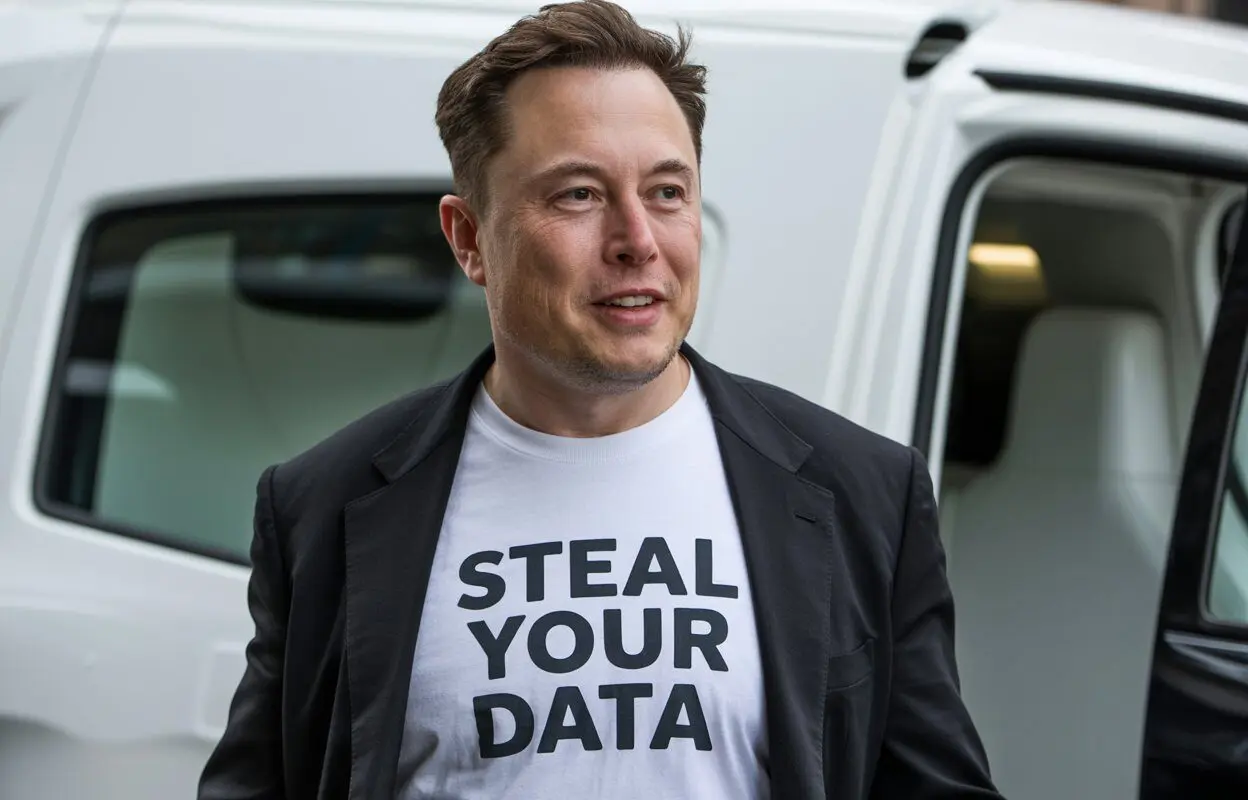
Elon Musk wearing a t-shirt that says "Steal Your Data"

When Elon Musk assumed his role as head of the Department of Government Efficiency (DOGE) in the second Trump administration, he claimed his goal was to slash wasteful spending and eliminate government fraud. Yet a damning new report from Senator Elizabeth Warren reveals a starkly different reality: Musk’s 130 days in the White House appear to have been very little about serving the public interest and more about engineering one of the most audacious wealth transfers from taxpayers to a single individual in modern American history. Why are people protesting Elon Musk? In short: everybody hates corruption. And during his time with DOGE, Musk’s net worth soared by over $100 billion and his companies secured billions in new federal contracts, regulatory approvals, and policy changes that directly benefited his sprawling business empire.

The Warren report exposes how Musk’s anti-fraud rhetoric served as convenient cover for systematically dismantling the very agencies responsible for investigating his companies’ workplace safety violations, environmental damage, and discriminatory practices. Under the guise of “efficiency,” DOGE targeted the Consumer Financial Protection Bureau (CFPB) that would regulate his planned X Money venture, gutted OSHA while it investigated Tesla’s worker safety record, and fired inspectors general who had been scrutinizing his companies. Meanwhile, agencies that provide essential services to working familiesβ€”from the Department of Labor to social safety net programsβ€”faced devastating cuts that threaten to leave the most vulnerable Americans without crucial protections. What emerges is a troubling pattern: Musk’s government role functioned less as public service and more as a strategic position to eliminate oversight of his businesses while redirecting taxpayer resources into his own coffers.

The Massachusetts Senator and champion of the CFPB kept an eagle eye on Musk as he burrowed his way through the federal government with his 20-somethings alt-right goon squad. She compiled this exhaustive report on Elon Musk’s corrupt dealings during his time in the White House — and these are just the ones we know about thanks to intrepid investigative journalists, whistleblowers, and other patriotic informants. A full accounting of the heist will likely not be known for some time, if at all — given the Trump administration’s power (and proclivity) to memory hole theoretically anything they wish.

Grok's rendition of a boxing match between Senator Elizabeth Warren and tech billionaire Elon Musk
Maybe not the best rendering… blame Musk’s Grok!

The report, “Special Interests Over the Public Interest: Elon Musk’s 130 Days in the Trump Administration (PDF),” details numerous instances where the tech megabillionaire and richest man on earth, serving as a “Special Government Employee” while leading DOGE, engaged in actions that allegedly benefited his private financial interests. On top of a net worth increase of $100 billion+ since Election Day, his companies (Tesla, SpaceX, X and xAI, the Boring Company, and Neuralink) had extensive financial conflicts of interest that were completely disregarded.

Here are the highlights from the report, followed by a timeline and cast of characters.

List of Elon Musk’s corrupt activities inside the White House

This is a comprehensive list of examples from the report illustrating how Musk allegedly used his power to further his personal interests, as of June 2025:

1. Government Resources to Promote Musk’s Businesses

  • Trump and Musk turned the White House lawn into a Tesla showroom.
  • Commerce Secretary Lutnick, reportedly “close to Elon Musk,” appeared on Fox News telling viewers to “buy Tesla”.

2. Federal Contracts for Musk’s Businesses

  • Customs and Border Protection (CBP) explored a contract to use Starlink technology in surveillance towers to monitor the border.
  • The Commerce Department changed terms of the Broadband Equity Access and Deployment (BEAD) Program to allow Starlink to apply, despite warnings of inferior service and higher costs.
  • The White House called for 13% more spending for the Department of Defense (DoD), and SpaceX is considered likely to be the top recipient of new Pentagon funding.
  • Reports show SpaceX became a frontrunner for the Golden Dome missile shield.
  • DOGE sought changes to DoD contracts, a clear conflict of interest given SpaceX has made over $7 billion in DoD contracts.
Continue reading DOGE Days: Why are people protesting Elon Musk?
Read more

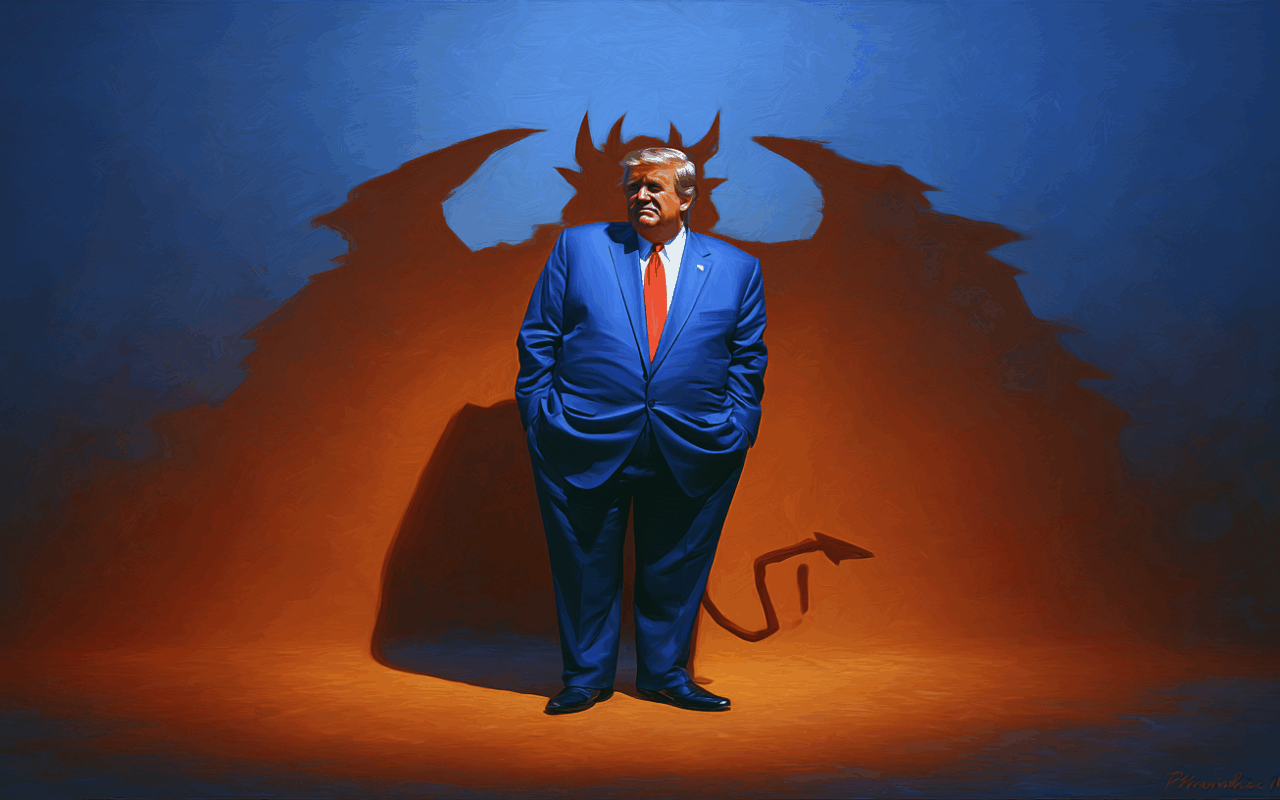
Trump corruption with a devil shadow

For years, Republican lawmakers and right-wing media outlets frothed at the mouth over Hunter Biden’s laptop and fabricated tales of Burisma “corruption” β€” stories so thoroughly debunked that the FBI informant who invented them, Alexander Smirnov, is now serving six years in prison for his lies. The GOP knew the Burisma bribes were fake Russian disinformation from the start, yet they weaponized these fabrications to launch impeachment proceedings and relentlessly smear the Biden family. Meanwhile, they’ve maintained a deafening silence about the brazen, documented, and ongoing Trump corruption stench emanating from the convicted fraudster‘s second presidency.

The hypocrisy is breathtaking in its audacity. While Republicans manufactured outrage over phantom millions supposedly flowing to the Bidens β€” money that never existed, deals that never happened, corruption that was entirely fictional β€” they’ve turned a blind eye to the very real, very documented flood of cash pouring into Trump’s coffers from foreign governments, cryptocurrency schemes, and pay-to-play access deals that would make a banana republic dictator blush. Maryland Representative and House Judiciary ranking member Jamie Raskin called it a “gangster state” in a recent interview with MSNBC‘s Chris Hayes.

What follows is not speculation, not innuendo, not the fever dreams of political opponents. This is a meticulously documented catalog of corruption so vast and shameless that it dwarfs anything previously seen in American presidential history. From $346 million in inaugural slush funds to $5.5 billion foreign real estate deals, from cryptocurrency pump-and-dump schemes netting nearly a billion dollars to a $400 million plane gift from Qatar β€” the Trump administration has transformed the presidency into a personal ATM with all the subtlety of a smash-and-grab robbery.

The Teapot Dome Scandal of the 1920s served as the quintessential symbol of government corruption for decades — over a mere $7 million worth of bribes to Interior Secretary Albert Fall. It was eclipsed and replaced by Watergate, shortly preceded by the resignation of Vice President Spiro Agnew over the discovery of his $300,000 operation that funneled cash stuffed into plain envelopes by bag men into the White House. Trump’s corruption represents a quantum leap beyond even these watershed moments in terms of sheer orders of magnitude, as well as the brazen manner in which the heists are being conducted in broad daylight.

The same party that spent years screaming about imaginary Ukrainian energy company bribes and fantasy Chinese business deals has remained conspicuously silent as their standard-bearer openly auctions off American foreign policy, drops federal investigations for donors, and literally sells dinner invitations for millions of dollars. The cognitive dissonance would be comical if it weren’t so dangerous to our democracy.

What is an example of political corruption in the United States? You cannot find a bigger collection of brazen examples. This is the story they don’t want you to focus on β€” the real corruption, the documented grift, the unprecedented monetization of the American presidency happening right before our eyes. I’ll be aiming to keep this list updated with the inevitable additions to come.

Financial Gains from Inaugural Funds and Campaign Donations

Continue reading Trump corruption tracker
Read more

Narcissistic Personality Disorder (NPD)

Narcissistic Personality Disorder (NPD) is a mental health condition characterized by (as the name implies) narcissism, including a pervasive pattern of grandiosity, a lack of empathy for others, and a need for admiration. People with NPD often have an inflated sense of self-importance and believe they are special or unique in some way. They may be preoccupied with fantasies of power, success, beauty, or ideal love. However, behind their grandiose faΓ§ade, they often have fragile self-esteem and are highly sensitive to criticism or rejection.

NPD is part of the Cluster B family of personality disorders. People with NPD tend to exhibit odd, sometimes bizarre behaviors — including word salad, emotional abuse, and other tactics of emotional predators — that are offputting to others and tend to have serious effects on the individual’s life.

Narcissistic Personality Disorder (NPD)

NPD diagnosis

The Diagnostic and Statistical Manual of Mental Disorders, Fifth Edition (DSM-5) outlines the following diagnostic criteria for NPD:

  1. A pervasive pattern of grandiosity, characterized by a sense of self-importance and an exaggerated sense of achievements and talents.
  2. Preoccupation with fantasies of unlimited power, success, brilliance, beauty, or ideal love.
  3. Belief that they are special and unique and can only be understood by other high-status people or institutions.
  4. Need for excessive admiration.
  5. Sense of entitlement, expecting to be treated in a special way or given priority.
  6. Exploitation of others for personal gain; using the tactics of emotional predators; narcissistic abuse.
  7. Lack of empathy, an inability to recognize or care about the feelings and needs of others.
  8. Envy of others or a belief that others are envious of them.
  9. Arrogant, haughty behaviors or attitudes.

The symptoms of NPD may vary in intensity and presentation, but they are typically stable and longstanding. The condition may start in early adulthood and may be diagnosed only after adolescence, as it is difficult to differentiate between normal developmental narcissism and pathological narcissism in childhood.

A helpful mnemonic to help conceptualize and remember the traits of people with narcissistic personality disorder is “SPECIAL ME”3:

LetterTrait
SSense of self-importance
PPreoccupation with power, beauty, success
EEntitled
CCan only be around special people
IInterpersonally exploitative
AArrogant
LLack empathy
MMust be admired
EEnvious of others

NPD: Lack of empathy

People with NPD may have difficulty in maintaining close relationships because of their lack of empathy and preoccupation with themselves. They may feel entitled to special treatment and have unrealistic expectations of others. They may exploit others for personal gain and may become angry or hostile when their expectations are not met. Additionally, they may struggle with criticism or rejection and may react with narcissistic rage or humiliation.

NPD is often co-occurring with other mental health conditions, such as depression, anxiety, and substance abuse. It may also be comorbid with other personality disorders, particularly Borderline Personality Disorder, as individuals with BPD may exhibit traits of NPD, such as a need for attention and admiration.

Treatment for NPD often involves psychotherapy, particularly psychoanalytic or psychodynamic therapies, which aim to explore the underlying psychological factors contributing to the disorder. Cognitive-behavioral therapy may also be effective in addressing maladaptive beliefs and behaviors associated with NPD. However, individuals with NPD may be resistant to therapy, as they may not recognize the need for treatment or may be unwilling to acknowledge their role in the dysfunction.

Types of Narcissistic Personality Disorder

  1. Grandiose Narcissism: This form is characterized by arrogance, dominance, and a need for admiration. Individuals may appear self-confident and assertive but are often preoccupied with fantasies of success and power. This is the classic version of the narcissist that most people think of when they think of NPD.
  2. Vulnerable Narcissism: Unlike the grandiose type, vulnerable narcissists are sensitive and insecure, often feeling unrecognized and inadequate. They may harbor intense envy and resentment towards others and are prone to feeling victimized.
  3. Malignant Narcissism: Malignant narcissists combine aspects of NPD with antisocial behavior, aggression, and sometimes even sadism. This type can be dangerous, as they lack empathy and remorse and may exploit or manipulate others without concern.
  4. Covert Narcissism: This type manifests as hidden or masked narcissism, where individuals may not outwardly display arrogance but still harbor grandiose fantasies and exhibit a lack of empathy. They often feel misunderstood and neglected, leading to passive-aggressive behavior.
  5. Communal Narcissism: Communal narcissists see themselves as especially caring or altruistic, often emphasizing their contributions to others. However, these acts are driven by a desire for recognition and praise rather than genuine empathy or compassion.

Examples of Public Figures Behaving Narcissistically

Numerous public figures throughout history and in contemporary culture have exhibited behaviors commonly associated with narcissismβ€”such as grandiosity, a need for admiration, lack of empathy, and a sense of entitlement. Below is a list of just some of the notable examples, along with brief descriptions of their narcissistic behaviors.

Historical Figures

  • Adolf Hitler: Demonstrated extreme grandiosity, cultivated a personality cult, rejected criticism, and showed a complete disregard for the suffering of others. His belief in his own infallibility and ruthless pursuit of power are classic narcissistic traits.
  • Napoleon Bonaparte: Known for his grandiose self-image, insatiable thirst for power, and willingness to sacrifice countless lives for personal glory.
  • Joseph Stalin: Exhibited a massive cult of personality, paranoia, and disregard for human suffering, all while glorifying his own image as the nation’s savior.
  • Alexander the Great: Obsessed with personal glory and his supposed divine lineage, eliminating anyone who opposed him.
  • Mao Zedong: Built a personality cult, rejected criticism, and sacrificed millions for his vision, showing little empathy or remorse.
  • King Henry VIII: Ruthless pursuit of power and personal desires, including the execution of wives and rejection of religious authority for personal gain.
  • Caligula: Roman emperor remembered for self-deification, sadism, and demanding worship.
  • Jim Jones: Cult leader who manipulated and controlled followers, culminating in the Jonestown mass suicide, reflecting extreme narcissistic exploitation.

Modern and Contemporary Figures

  • Donald Trump: Frequently cited as a textbook example of narcissistic behavior, including self-promotion, thin-skinned reactions to criticism, need for admiration, and prioritizing personal image over collective goals.
  • Kanye West (Ye): Known for public outbursts, controversial statements, and self-aggrandizing acts (e.g., comparing himself to Jesus, seeking the spotlight at award shows), as well as a chronic need for validation and attention.
  • Kim Kardashian: Promotes her wealth and lifestyle, seeks constant attention, and is often involved in controversies that keep her in the public eye.
  • Madonna: Openly acknowledges her craving for attention and limelight, and has been described as exploitative and demanding in her professional relationships.
  • Oprah Winfrey: Cited for excessive self-importance and grandiosity, with actions and branding that often center her own persona.
  • Taylor Swift: Manages her public image with meticulous control, frequently uses her art to highlight her own experiences, and seeks admiration from fans, blending vulnerability with grandiosity.
  • Jenny McCarthy: Publicly claimed to have scientific proof ignored by authorities, reflecting a sense of special knowledge and self-importance.
  • Suzanne Somers: Promoted her own health products as miracle cures, despite lacking medical credentials, demonstrating self-aggrandizement and entitlement.
  • Joan Crawford: Hollywood actress reportedly obsessed with public image, perfectionism, and control, with abusive behavior toward her children as documented in β€œMommie Dearest”.

Common Narcissistic Behaviors Observed

  • Public meltdowns and controversy-seeking actions (e.g., Twitter rants, on-stage interruptions)
  • Image obsession and status-driven lifestyle choices (luxury displays, curated social media)
  • Exploitative or transactional relationships (using others for personal gain or status)
  • Dismissal of criticism and hypersensitivity to perceived slights

These examples illustrate how narcissistic traits can manifest in public life, often amplified by fame and power. While not all of these individuals have a clinical diagnosis of Narcissistic Personality Disorder, their public behaviors align with many of the disorder’s hallmark traits.

Learn more about narcissism

Read more

The 2025 Republican budget bill will add $4.6 trillion to the deficit

There’s a lot of noise out there drowning out an important signal most Americans should probably know about (yes, even MAGA! Perhaps especially MAGA given the disproportionate effects this Republican budget bill is likely to have on their red state communities). That is by design — retired entrepreneur Bill Southworth refers to it as “narrative warfare” in the Russian tradition; Steve Bannon calls it “flooding the zone with shit;” and psychologists simply call it narcissistic personality disorder. By whatever name, today’s political information ecosystem is being manipulated to obscure the actual business of government, because the culture wars are staggeringly popular while the actual GOP agenda goes over like a lead balloon in terms of popular opinion.

So much so that the House Rules Committee plans to take up the “big, beautiful bill” for consideration, recently passed out of the Budget Committee on late Sunday night, at 1:00am in the morning. Nothing says pride like a dead of night hearing!

The Medicaid cuts that are in the Republican budget bill are especially toxic to the GOP — reportedly 75% of Americans on both sides of the aisle oppose the deep cuts to critical services that the right-wing seems hell-bent on enacting despite better ways to extract savings, like preventing private insurers from “upcoding” care to make it more expensive.

The reckless cuts to public services are meant to offset the cost of what Republicans and their billionaire donors want on the other side of the ledger: the extension of Trump’s 2017 tax cuts for their corporate donors and wealthiest Americans. Nevermind, apparently, that these tax cuts are primarily responsible (along with the George W. Bush tax cuts of the early 2000s) for the increasing debt ratio that the GOP falls all over themselves to theatrically complain about — while single-handedly and relentlessly continuing to make it worse.

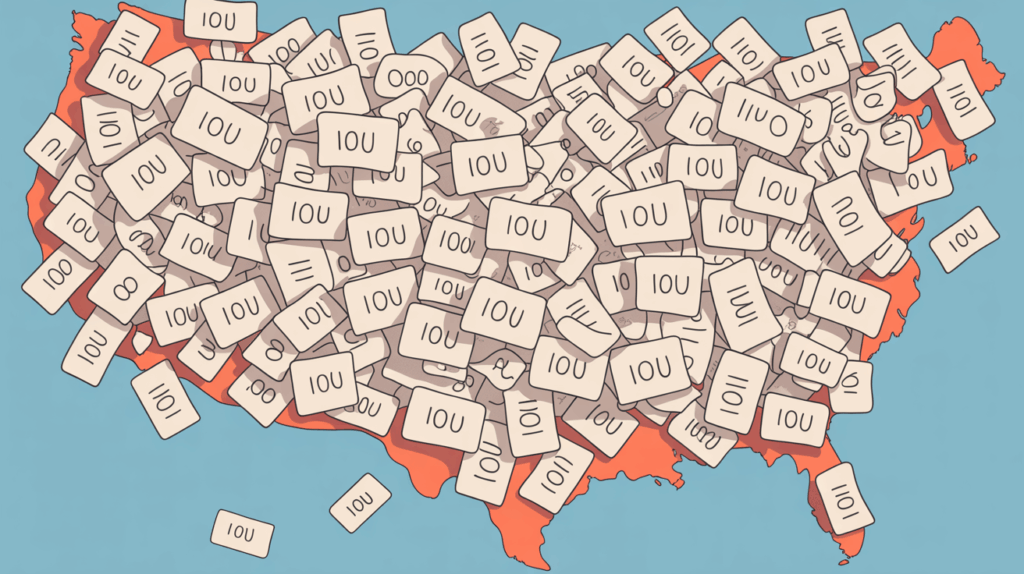
America's increasing debt ratio under a mound of IOUs
Continue reading The “Big, Beautiful Bill” that Republicans don’t want you to see
Read more

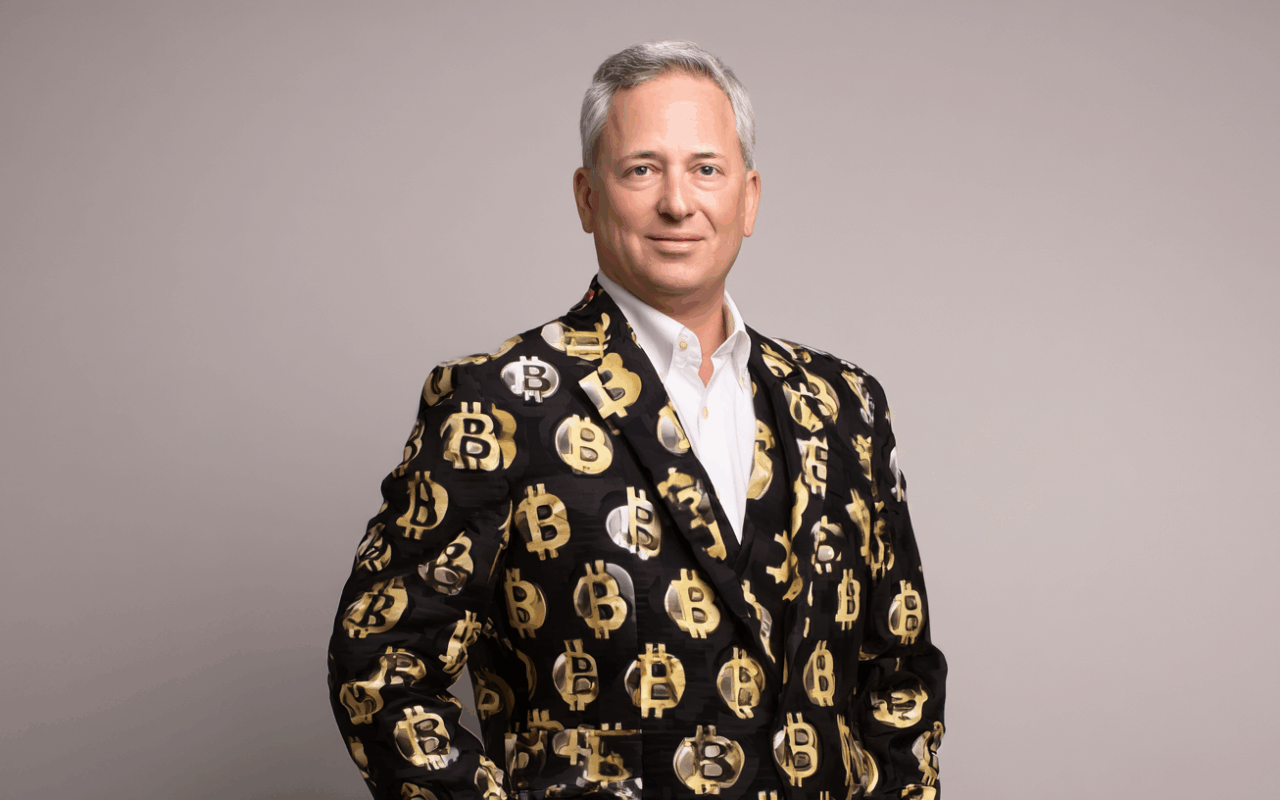
David Sacks in a Bitcoin suit

David Sacks: Silicon Valley’s Political Power Player

At the intersection of technology, venture capital, and right-wing politics, the star of tech mogul David Sacks has risen prominently in recent years. From PayPal executive to Trump’s AI & Crypto Czar, Sacks represents a new breed of tech tycoon whose influence extends far beyond Silicon Valley boardrooms into the corridors of political power.

From South Africa to Silicon Valley

Born on May 25, 1972, in Cape Town, South Africa, Sacks followed a path that would eventually lead him to become one of the most influential entrepreneurs in American tech. After immigrating to the United States, he received his education at the University of Chicago Law School, graduating in 1998.

His Silicon Valley journey began in earnest when he joined PayPal in 1999 as Chief Operating Officer. At PayPal, Sacks was instrumental in building key teams and oversaw product management, sales, and marketing functions. This early chapter placed him squarely within what would later be known as the “PayPal Mafia” – a legendary group of executives including Peter Thiel and Elon Musk who went on to found and fund numerous successful tech ventures.

Entrepreneurial Success

Following PayPal’s $1.5 billion acquisition by eBay in 2002, Sacks embarked on a remarkable entrepreneurial journey:

  • He briefly ventured into Hollywood, producing the critically acclaimed film “Thank You for Smoking” and later “DalΓ­land”
  • In 2008, he founded Yammer, an enterprise social networking service that was acquired by Microsoft for $1.2 billion just four years later
  • As an angel investor, he made early bets on Facebook, Uber, SpaceX, and Airbnb, cementing his reputation for identifying transformative companies
  • In 2017, Sacks co-founded Craft Ventures, a venture capital firm focused on SaaS and marketplace models that has become a significant player in tech investing

His entrepreneurial success positioned him as a respected voice in Silicon Valley, with insights that extended from product development to company building and investment strategy.

The Twitter Chapter: Musk’s Right-Hand Man

One of the most notable recent chapters in Sacks’ career has been his involvement with Twitter (now X) during and after Elon Musk’s controversial acquisition of the platform in 2022. As part of Musk’s inner circle, Sacks played a pivotal role in advising on the company’s transition.

Continue reading Who is David Sacks?
Read more

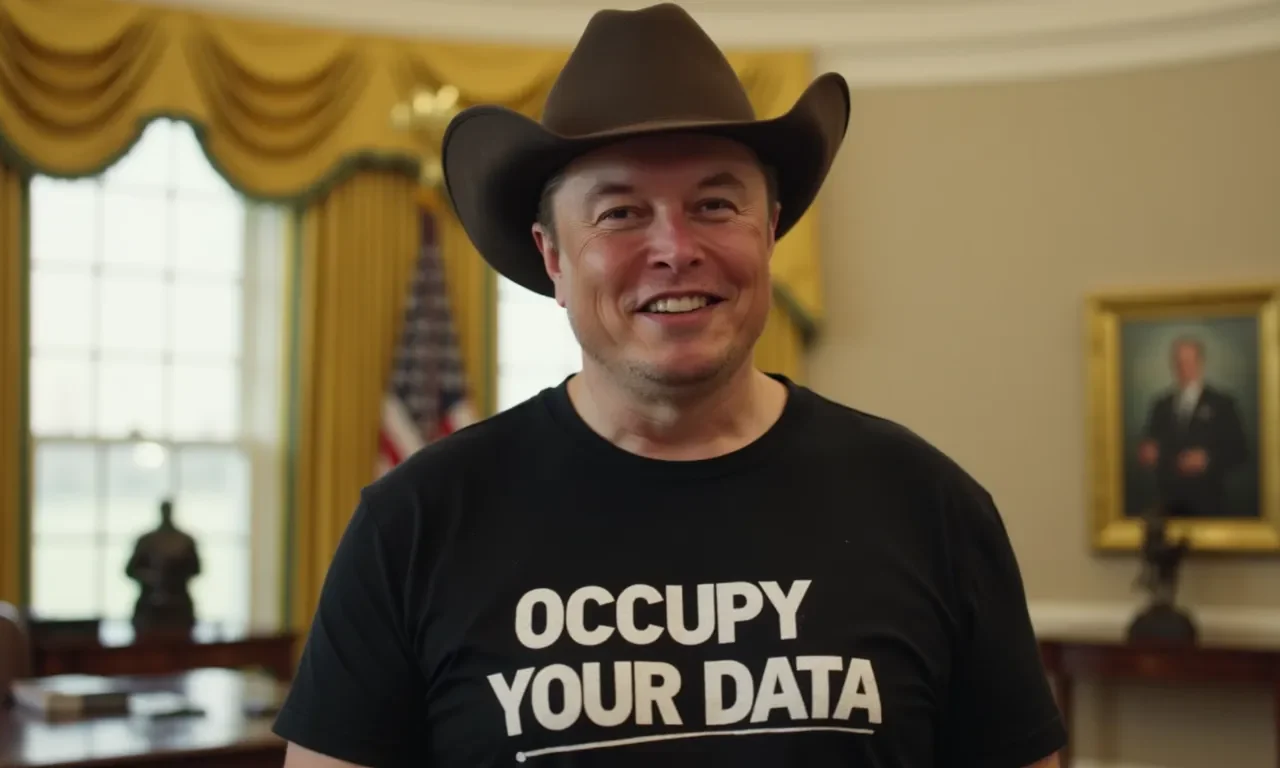
Elon Musk wearing a t-shirt that says "Occupy Your Data"

Twitter Timeline (aka ‘X’): From Founding to Present

Few platforms have so profoundly shaped the 21st-century media and political landscape as Twitter. Launched in 2006 as a quirky microblogging experiment in Silicon Valley, Twitter rapidly evolved into a global public square β€” a real-time newswire, activism megaphone, cultural barometer, and political battleground all in one. From the Arab Spring to #BlackLivesMatter, celebrity feuds to presidential declarations, Twitter didn’t just reflect the world β€” it influenced it.

But in 2022, everything changed.

The takeover by Elon Musk, the billionaire tech entrepreneur and self-styled “free speech absolutist,” marked a sharp and chaotic break from Twitter’s legacy. In short order, Musk dismantled key moderation teams, reinstated accounts once banned for extremism or disinformation, and transformed the platform into a private entity under his X Corp umbrella. The iconic blue bird gave way to a stark new identity: X β€” signaling not just a rebrand, but a fundamental shift in mission, culture, and political alignment.

This timeline chronicles Twitter’s full arc from inception to its present incarnation as X: a detailed account of its business milestones, technological evolution, political influence, and growing alignment with right-wing ideology under Musk’s ownership. Drawing on a wide range of journalistic and academic sources, this narrative highlights how a once-fractious but largely liberal-leaning tech company became a controversial hub for β€œanti-woke” politics, misinformation, and culture war skirmishes β€” with global implications.

2006 – Birth of a New Platform

  • March 2006: In a brainstorming at Odeo (a San Francisco podcast startup founded by Noah Glass, Biz Stone, and Evan Williams — the latter of whom would go on to later found the longform writing platform Medium), Jack Dorsey and colleagues conceive a text-message status sharing service. By March 21, Dorsey sends the first-ever tweet – β€œjust setting up my twttr”, marking Twitter’s official creation.
  • July 2006: Twitter (then styled β€œtwttr” as was the vowel-less fashion at the time) launches to the public as a microblogging platform allowing 140-character posts. It initially operates under Odeo, but in October the founders form the Obvious Corporation and buy out Odeo’s investors, acquiring Twitter’s intellectual property.
  • August – September 2006: Early users begin to see Twitter’s potential. In August, tweets about a California earthquake demonstrate Twitter’s value for real-time news by eyewitnesses. In September, twttr is rebranded as Twitter after acquiring the domain, finally graduating into the land of vowels.

2007 – Rapid Growth and Social Buzz

  • March 2007: Twitter gains international buzz at the SXSW conference Interactive track. Usage explodes when attendees use it for real-time updates, a tipping point that greatly expands Twitter’s userbase.
  • April 2007: Spun off as its own company, Twitter, Inc. begins to operate independently from Obvious Corp, the parent company of Odeo. Twitter also closes its first venture funding round in April, raising $5 million led by Union Square Ventures and venture capitalist Fred Wilson, who would become one of Twitter’s most influential backers, at a ~$20 million valuation. Other early investors included Ron Conway, Marc Andreessen, Chris Sacca, Joi Ito, and Dick Costolo (who would later become its CEO).
  • August 2007: User-driven innovation gives rise to the hashtag. Invented by user Chris Messina to group topics, the β€œ#” hashtag debuts and later becomes an official Twitter feature for trend tracking. This year, Twitter’s growth is so rapid that frequent server crashes occur, introducing the world to the iconic β€œFail Whale” error image created by artist Yiying Lu (a symbol of its early growing pains).
Yiying Lu, artist who created Twitter's iconic Fail Whale
Continue reading Twitter Timeline: From Public Square to X, a Right-Wing Cesspool
Read more

Historian Heather Cox Richardson speaks at Boston's Old North Church on the 250th anniversary of the lighting of the lanterns

One of my favorite historians, Professor Richardson is a kind of north star to train your eyes on in making sense of this peculiarly unsettling moment in time. While any Heather Cox Richardson speech is worth your time, this one at Boston’s Old North Church — in commemoration of the anniversary of the lighting of the lanterns there in 1775 — deserves special mention for its sweeping yet intimate detail view of revolutionary sentiment in the colonies under waning British rule.

Professor Richardson has a true gift for both making centuries’-old history seem strikingly relevant today, as well as for analyzing today’s news through the lens of the long-term, clarifying its causes, and tempering it with context. A question we thought settled long ago — whether we are to be ruled by an all-powerful king whose power is unchecked by any force — has disturbingly resurfaced as Donald Trump convincingly play-acts (or perhaps naturally embodies) the role of mad king. Here she weaves the tale of revolutionaries in the late 18th century throwing off the mad king of their time, as an inspiration to those of us inexplicably confronting this same problem again in 2025.

Heather Cox Richardson speech summary

I would encourage everybody to watch or read the speech in full (as well as check out HCR’s other brilliant books) as it’s well worth your time — but for those short on the irreplaceable stuff, here’s a summary:

Continue reading One if by land, two if by sea: this Heather Cox Richardson speech reminds us of revolutionary people power
Read more